Ever felt the rush of an auction floor where engines hum and numbers climb in seconds. That moment pulls many into car auctions. Yet excitement hides risk. A fast bid without checks turns a promising car into a costly lesson. A careful buyer studies each detail before raising a hand.
Car auctions shape how many people buy a car today. Both private buyers and dealer groups rely on auction access to expand inventory. Some platforms like abetter.bid are open to the public and give access to a wide range of vehicle listings from insurance company sources and dealer auction networks. This creates a path to buy cars that once stayed inside car dealerships. Still each auction demands discipline. A bidder who studies the car at an auction gains a real chance to win a good deal.
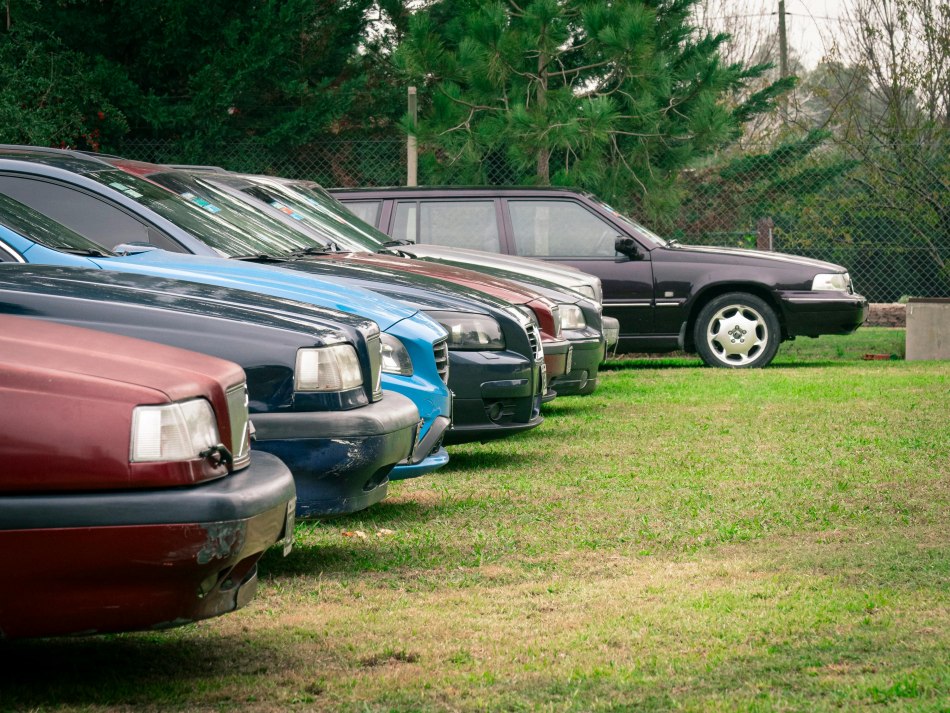
The auto auction world moves large volumes of used cars each week. Insurance company fleets and repossessions flow into sale lanes. Dealer groups also sell trade-ins to refresh inventory. This constant movement creates opportunity. It also creates pressure.
A dealer knows how to determine value under time limits. A new buyer often reacts to the highest offer and forgets the real condition of the car. That mistake leads to a poor decision. Auctions may reward speed yet success depends on preparation.
Many car dealerships rely on auction supply to stock a car dealership lot. That shows the importance of auctions for both consumer and dealer. Participation gives access to models that never reach a local dealership. Some lots include unsold units that return with adjusted price which can create a better entry point.
Buying at an auto auction is not just about price. It is about information provided and how well a bidder reads it. Every vehicle listing includes data points that help ensure a smart purchase. Ignore them and risk grows.
A buyer should treat each auction car as an investment. Not every listing fits a plan. The goal is to qualify the right unit that matches budget and repair capacity. A good idea starts with structure. The following specs form that structure.
|
Spec |
Why It Matters |
|
|
Tag and VIN |
Title type mileage model |
Legal status and value |
|
History |
Ownership usage records |
Predicts wear and issues |
|
Exterior |
Frame panels paint |
Safety and repair scope |
|
Drivetrain |
Engine transmission |
Core reliability |
|
Interior |
Electronics wear |
Comfort and hidden faults |
|
Insurance data |
Damage category |
Long term risk |
|
Logistics |
Tow fee storage fee |
Total investment |
A dealer enters an auction with limits. There is a maximum bid set before the first call. That protects profit margin. Many car dealers track average sale prices across several auctions to stay accurate.
A private buyer should act the same way. Set a cap. Do not chase the highest number in the heat of the moment. Excitement fades fast when repair bills arrive.
Some dealer auction lanes restrict access to licensed participants. Yet more platforms expand access for the public. This shift allows more people to buy a car at an auction without a dealership connection.
Each error increases risk. Each fix improves the outcome.
One bidder spotted a new car listed after a minor collision. The price looked attractive. The bidder rushed and placed a bid early. The car had a hidden frame shift. Repair required major replacement work. The final cost exceeded market value.
Another bidder studied three similar used cars in the same auction. The third unit showed consistent service records and minor wear. The bidder waited. Placed a single controlled bid. Won below target price. That unit needed only basic service. The difference came from preparation not luck.
Before the final bid, ask a simple question. Does this vehicle fit the plan? If the answer is unclear, skip the sale. There will be another auction. The next vehicle may offer better numbers.
A buyer should ensure all information provided is reviewed. Cross check reports. Confirm title status. Plan payment methods such as cash or approved credit. Some auctions require a deposit before participation.
Remember that auctions may move fast yet patience brings better results. The right decision protects the budget and reduces stress.
Car auctions offer access to wide inventory and flexible buying paths. They also demand focus and discipline. A strong bidder studies each car detail from tag to insurance report. That process turns risk into calculated investment.
The next time an auction screen lights up, take a breath. Review the seven specs. Set limits. Place a bid with confidence. That approach helps secure a vehicle that meets expectations without surprise costs.
1. Why do some auction cars look cheaper than dealership listings?
Auction units often come from insurance company sources or fleet rotation. Lower entry price reflects repair needs or quick turnover goals.
2. Can a beginner qualify for auto auction participation?
Some platforms allow public access after registration and deposit. Rules vary so check requirements before joining.
3. Is buying at a dealer auction better than public sales?
Dealer auction lanes may offer deeper inventory. Public auctions still provide solid options with proper research.
4. How does auto insurance change after buying an auction vehicle?
Auto insurance cost depends on title status and damage type. Salvage or rebuilt units often carry higher rates.
5. What happens if a bidder wins and then refuses to pay?
Most auctions charge a fee and may block future access. Always bid with a clear plan to complete the purchase.
 English
 YouTube
 Telegram
 Viber
Viber Facebook
 Instagram
 TikTok
 Pinterest