Startseite › Autokatalog › Peugeot › 308 › 308 SW II (Modellpflege 2017) › 2.0 BlueHDi (150 PS) Automatic

PeugeotPeugeot 308 SW II (Modellpflege 2017) 2.0 BlueHDi (150 PS) Automatic2017, 2018: Spezifikationen, Verbrauch, Maße

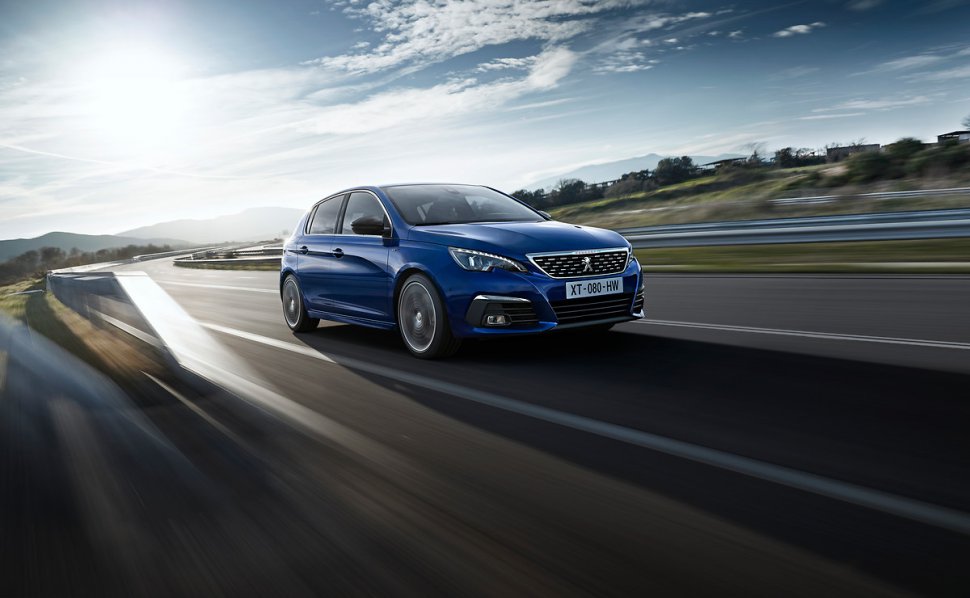
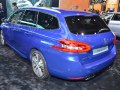
2017 Peugeot 308 SW II (Modellpflege 2017) - Bild 1
Peugeot 308 SW II (Modellpflege 2017) - Bild 2Peugeot 308 SW II (Modellpflege 2017) - Bild 3Peugeot 308 SW II (Modellpflege 2017) - Bild 4Peugeot 308 SW II (Modellpflege 2017) - Bild 5Peugeot 308 SW II (Modellpflege 2017) - Bild 6Peugeot 308 SW II (Modellpflege 2017) - Bild 7Peugeot 308 SW II (Modellpflege 2017) - Bild 8Peugeot 308 SW II (Modellpflege 2017) - Bild 9Peugeot 308 SW II (Modellpflege 2017) - Bild 10

Hauptspezifikationen

Peugeot 308 SW II (Modellpflege 2017) 2.0 BlueHDi (150 PS) Automatic /Kombi 2017 - 2018/
Was ist der Karosserietyp von Peugeot 308 SW II (Modellpflege 2017)?
Kombi, 5 Türen, 5 Sitze
Wie hoch ist der Kraftstoffverbrauch von Peugeot 308 SW II (Modellpflege 2017) 2.0 BlueHDi (150 PS) Automatic?
4.3 l/100 km
54.7 US mpg
65.7 UK mpg
23.3 km/l
Wie umweltfreundlich ist Peugeot 308 2.0 BlueHDi (150 PS) Automatic?
112 g/km CO2
Euro 6
Wie schnell ist 2017 308 SW II (Modellpflege 2017) 2.0 BlueHDi (150 PS) Automatic?
209 km/h | 130 mph
0-100 km/h: 8.9 s
0-60 mph: 8.5 s
Wie hoch ist die Motorleistung von Peugeot 308 Kombi 2017 2.0 BlueHDi (150 PS) Automatic?
150 PS, 370 Nm
273 lb.-ft.
Wie groß ist der Hubraum von Peugeot 308 Kombi 2017 2.0 BlueHDi (150 PS) Automatic?
2.0 l
1997 cm3
121.86 cu. in.
Wie viele Zylinder hat der Motor von 2017 Peugeot 2.0 BlueHDi (150 PS) Automatic?
4, Reihenmotor
Was ist die Antriebsart von Peugeot 308 SW II (Modellpflege 2017) Kombi 2017 2.0 BlueHDi (150 PS) Automatic?
Vorderradantrieb. Verbrenner. Die VKM treibt die Vorderräder des Fahrzeugs an.
Wie lang ist 2017 Peugeot 308 Kombi?
4585 mm
180.51 in.
Wie breit ist 2017 Peugeot 308 Kombi?
1804 mm
71.02 in.
Wie hoch ist das Leergewicht von 2017 Peugeot 308 SW II (Modellpflege 2017) 2.0 BlueHDi (150 PS) Automatic?
1420-1552 kg
3131 - 3422 lbs.
Wie hoch ist die maximal zulässige Gesamtmasse von 2017 Peugeot 308 SW II (Modellpflege 2017) 2.0 BlueHDi (150 PS) Automatic?
2000 kg
4409 lbs.
Wie groß ist das Kofferraumvolumen von 2017 Peugeot 308 Kombi?
610 - 1660 l
21.5 - 58.6 cu. ft.
Wie viele Gänge und welchen Getriebetyp hat 2017 Peugeot 308 SW II (Modellpflege 2017) 2.0 BlueHDi (150 PS) Automatic?
6, Automatikgetriebe

Allgemeine Informationen

Marke
Modell
Modifikation (Motor)
2.0 BlueHDi (150 PS) Automatic
Produktionsbeginn
2017
Produktionsende
2018
Antriebsstrangarchitektur
Verbrennungskraftmaschine
Karosserie
Kombi
Sitze
5
Türen
5
Interessiert an Peugeot 308 als Gebrauchtwagen?
Fahrzeughistorie prüfen →

Leistung

Verbrauch - Innerorts
5 l/100 km 47 US mpg
56.5 UK mpg
20 km/l
Verbrauch - Außerorts
3.8 l/100 km 61.9 US mpg
74.3 UK mpg
26.3 km/l
Verbrauch - Kombiniert
4.3 l/100 km 54.7 US mpg
65.7 UK mpg
23.3 km/l
CO2-Emissionen
112 g/km
Kraftstoffart
Diesel
Beschleunigung 0 - 100 km/h
8.9 s
Beschleunigung 0 - 62 mph
8.9 s
Beschleunigung 0 - 60 mph (Berechnet von Auto-Data.net)
8.5 s
Höchstgeschwindigkeit
209 km/h 130 mph
Emissionsklasse
Euro 6
Masse-Leistungs-Verhältnis (Leistungsgewicht)
9.5 kg/PS, 105.6 PS/t
Masse-Drehmoment-Verhältnis
3.8 kg/Nm, 260.6 Nm/t

Motor

Max. Motorleistung
150 PS @ 4000 U/min
Leistung pro Liter Hubvolumen
75.1 PS/l
Max. Drehmoment
370 Nm @ 2000 U/min 273 lb.-ft. @ 2000 U/min
Motorlayout
Front, quer
Motormodell/Motorcode
AHR DW10FD
Hubraum
1997 cm3 121.86 cu. in.
Anzahl der Zylinder
4
Motorkonfiguration
Reihenmotor
Anzahl der Ventile pro Zylinder
4
Kraftstoffeinspritzsystem
Diesel-Common-Rail
Motoraufladung
Turbolader, Ladeluftkühler
Motorölfüllmenge
6 l 6.34 US qt | 5.28 UK qt
Motorölspezifikation
Kühlmittel
9 l 9.51 US qt | 7.92 UK qt
Motorsysteme
Partikelfilter

Volumen und Gewichte

Leergewicht
1420-1552 kg 3131 - 3422 lbs.
Zul. Gesamtgewicht
2000 kg 4409 lbs.
Höchstzulässige Nutzlast
448-580 kg 988 - 1279 lbs.
Kofferraumvolumen Min.
610 l 21.5 cu. ft.
Kofferraumvolumen Max.
1660 l 58.6 cu. ft.
Tankinhalt
52.5 l 13.87 US gal | 11.55 UK gal
Zul. Dachlast
80 kg 176 lbs.
Zul. Anhängerlast gebremst bei 12% Steigung
1400 kg 3086 lbs.
Zul. Anhängerlast ungebremst
740 kg 1631 lbs.
Zul. Stützlast
71 kg 157 lbs.

Maße

Länge
4585 mm 180.51 in.
Breite
1804 mm 71.02 in.
Breite mit Außenspiegeln
2043 mm 80.43 in.
Höhe
1472 mm 57.95 in.
Radstand
2730 mm 107.48 in.
Spur vorne
1551 mm 61.06 in.
Spur hinten
1546 mm 60.87 in.
Frontüberhang
863 mm 33.98 in.
Hecküberhang
992 mm 39.06 in.
Kleinster Wendekreisdurchmesser
10.4 m 34.12 ft.

Antrieb, Bremsen und Federung

Antriebskonzept
Die VKM treibt die Vorderräder des Fahrzeugs an.
Antriebsart
Vorderradantrieb
Anzahl der Gänge und Art des Getriebes
6 Gänge, Automatikgetriebe
Vorderradaufhängung
Unabhängig, McPherson-Typ
Hinterradaufhängung
Halbunabhängige Schraubenfederung, Torsionsstab
Bremsen vorne
Belüftete Scheibenbremse
Bremsen hinten
Scheibenbremse
Assistenzsysteme
ABS (Antiblockiersystem)
Lenkungstyp
Zahnstangenlenkung
Servolenkung
Elektrische Servolenkung
Felgengröße
17; 18