Startseite >> Autokatalog >> Jaguar >> F-type >> F-type Coupe (facelift 2017) >> 2.0 (300 PS) Automatic
Autokatalog Blog Einloggen Registrierung Car Specs API
Deutsch ▼

Technische Daten Jaguar F-type Coupe (facelift 2017) 2.0 (300 PS) Automatic /2017, 2018/

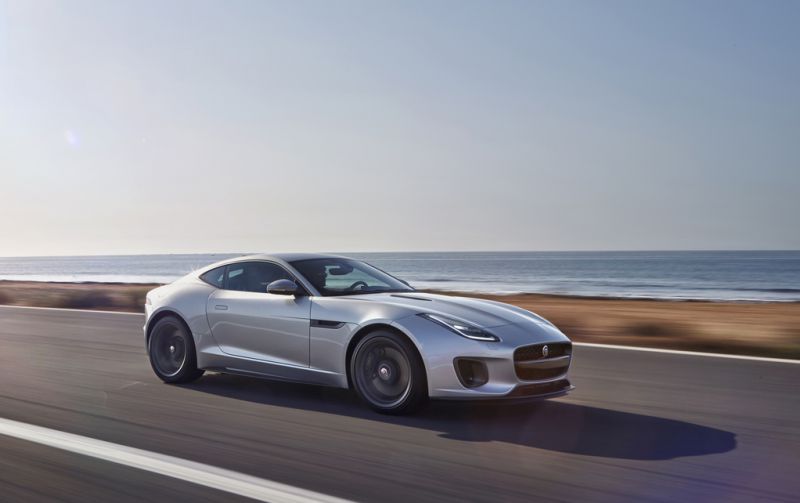
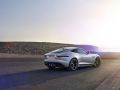
2017 Jaguar F-type Coupe (facelift 2017) - Bild 1
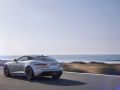
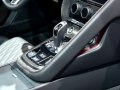
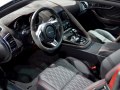
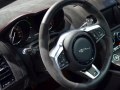
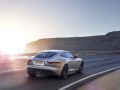
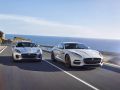
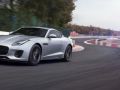
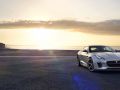
Jaguar F-type Coupe (facelift 2017) - Bild 2Jaguar F-type Coupe (facelift 2017) - Bild 3Jaguar F-type Coupe (facelift 2017) - Bild 4Jaguar F-type Coupe (facelift 2017) - Bild 5Jaguar F-type Coupe (facelift 2017) - Bild 6Jaguar F-type Coupe (facelift 2017) - Bild 7Jaguar F-type Coupe (facelift 2017) - Bild 8Jaguar F-type Coupe (facelift 2017) - Bild 9Jaguar F-type Coupe (facelift 2017) - Bild 10

Hauptspezifikationen:
Jaguar F-type Coupe (facelift 2017) 2.0 (300 PS) Automatic
/Coupé 2017 - 2018/

Was ist der Karosserietyp von Jaguar F-type Coupe (facelift 2017)?Coupé, 2 Türen, 2 Sitze
Wie hoch ist der Kraftstoffverbrauch von Jaguar F-type Coupe (facelift 2017) 2.0 (300 Hp) Automatic?7.2 l/100 km
32.7 US mpg
39.2 UK mpg
13.9 km/l
Wie umweltfreundlich ist Jaguar F-type 2.0 (300 Hp) Automatic?163 g/km CO2
Euro 6
Wie schnell ist 2017 F-type Coupe (facelift 2017) 2.0 (300 Hp) Automatic?250 km/h | 155.34 mph
0-100 km/h: 5.7 s
0-60 mph: 5.4 s
Wie hoch ist die Motorleistung von Jaguar F-type Coupé 2017 2.0 (300 Hp) Automatic?300 PS, 400 Nm
295.02 lb.-ft.
Wie groß ist der Hubraum von Jaguar F-type Coupé 2017 2.0 (300 Hp) Automatic?2.0 l
1997 cm3
121.86 cu. in.
Wie viele Zylinder hat der Motor von 2017 Jaguar 2.0 (300 Hp) Automatic?4, Reihenmotor
Was ist die Antriebsart von Jaguar F-type Coupe (facelift 2017) Coupé 2017 2.0 (300 Hp) Automatic?Hinterradantrieb. Verbrennungskraftmaschine. Die VKM treibt die Hinterräder des Fahrzeugs an.
Wie lang ist 2017 Jaguar F-type Coupé?4482 mm
176.46 in.
Wie breit ist 2017 Jaguar F-type Coupé?1923 mm
75.71 in.
Wie hoch ist das Leergewicht von 2017 Jaguar F-type Coupe (facelift 2017) 2.0 (300 Hp) Automatic?1525 kg
3362.05 lbs.
Wie groß ist das Kofferraumvolumen von 2017 Jaguar F-type Coupé?310 - 408 l
10.95 - 14.41 cu. ft.
Wie viele Gänge hat das Getriebe von Was ist der Getriebetyp von 2017 Jaguar F-type Coupe (facelift 2017) 2.0 (300 Hp) Automatic?8, Automatikgetriebe

Jaguar F-type Coupe (facelift 2017) 2.0 (300 PS) Automatic - Vollständige Spezifikationen

Allgemeine Informationen

Marke Jaguar
Modell F-type
Generation F-type Coupe (facelift 2017)
Modifikation (Motor) 2.0 (300 PS) Automatic
Produktionsbeginn 2017 Jahr
Produktionsende 2018 Jahr
Antriebsstrangarchitektur Verbrennungskraftmaschine
KarosserieCoupé
Sitze 2
Türen 2

Leistung

Verbrauch - Kombiniert 7.2 l/100 km 32.7 US mpg
39.2 UK mpg
13.9 km/l
CO2-Emissionen163 g/km
Kraftstoffart Benzin
Beschleunigung 0 - 100 km/h 5.7 s
Beschleunigung 0 - 62 mph5.7 s
Beschleunigung 0 - 60 mph (Berechnet von Auto-Data.net) 5.4 s
Höchstgeschwindigkeit 250 km/h 155.34 mph
Emissionsklasse Euro 6
Masse-Leistungs-Verhältnis (Leistungsgewicht) 5.1 kg/PS, 196.7 PS/Tonne
Masse-Drehmoment-Verhältnis 3.8 kg/Nm, 262.3 Nm/Tonne

Motor

Max. Motorleistung 300 PS @ 5500 U/min
Leistung pro Liter Hubvolumen 150.2 PS/l
Max. Drehmoment 400 Nm @ 1500-4500 U/min 295.02 lb.-ft. @ 1500-4500 U/min
Motorlayout Front, Längsrichtung
Motormodell/Motorcode Ingenium / PT204
Hubraum 1997 cm3 121.86 cu. in.
Anzahl der Zylinder 4
Motorkonfiguration Reihenmotor
Bohrung 83 mm 3.27 in.
Hub 92.3 mm 3.63 in.
Verdichtungsverhältnis 9.5:1
Anzahl der Ventile pro Zylinder 4
Kraftstoffeinspritzsystem Direkteinspritzung
Motoraufladung Turbolader, Ladeluftkühler
Ventilsteuerung DOHC
Motoröl 6.5 l 6.87 US qt | 5.72 UK qt
Motorölspezifikation Einloggen, um zu sehen.Einloggen, um zu sehen.

Volumen und Gewichte

Leergewicht 1525 kg 3362.05 lbs.
Kofferraumvolumen Min. 310 l 10.95 cu. ft.
Kofferraumvolumen Max. 408 l 14.41 cu. ft.
Tankinhalt 63 l 16.64 US gal | 13.86 UK gal

Maße

Länge 4482 mm 176.46 in.
Breite 1923 mm 75.71 in.
Breite bei eingeklappten Außenspiegeln 2042 mm 80.39 in.
Höhe 1310 mm 51.57 in.
Radstand 2622 mm 103.23 in.
Spur vorne 1597 mm 62.87 in.
Spur hinten 1649 mm 64.92 in.

Antrieb, Bremsen und Federung

Antriebskonzept Die VKM treibt die Hinterräder des Fahrzeugs an.
Antriebsart Hinterradantrieb
Anzahl der Gänge und Art des Getriebes 8 Gänge, Automatikgetriebe
Vorderradaufhängung Doppelquerlenker
Hinterradaufhängung Doppelquerlenker
Bremsen vorne Belüftete Scheibenbremse
Bremsen hinten Belüftete Scheibenbremse
AssistenzsystemeABS (Antiblockiersystem)
Lenkungstyp Lenkgetriebe
Servolenkung Elektrische Lenkung